Pianissimo [...]but there is a new problem now: the F# is almost sitting on the middle of the entire F head, and the Bb is sitting almost entirely on the middle of B head. This is not good when you play chromatic passages, because the shift of your thumb underneath your middle finger, will encounter different distances in those two areas.
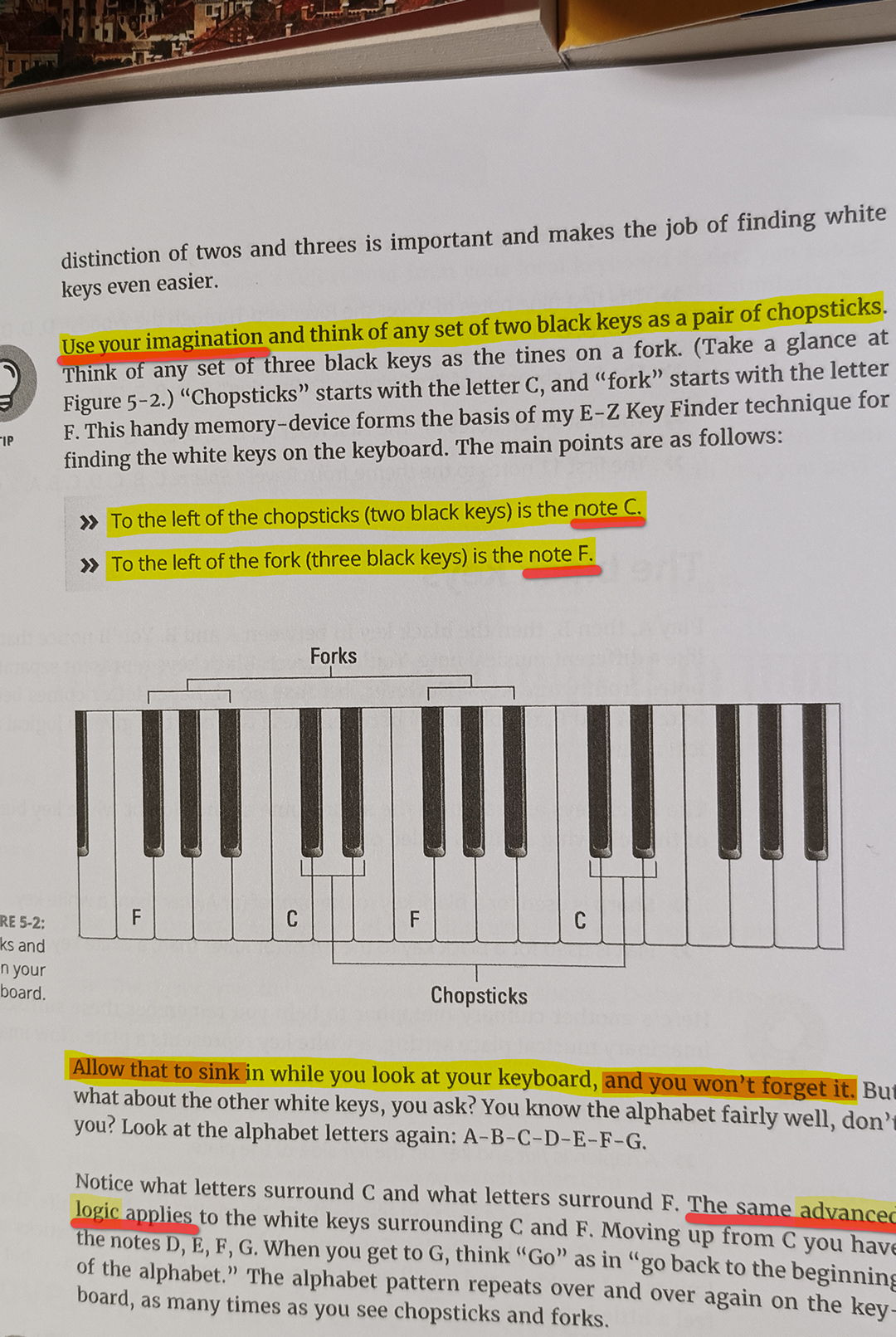
This is true also on the standard keyboard layout though? In our "mental map" of the keyboard the F# is in the middle between the F and the G, and it is often drawn this way in diagrams (e.g. see the book page photo above). But on the actual physical keyboard it's mostly over the F.
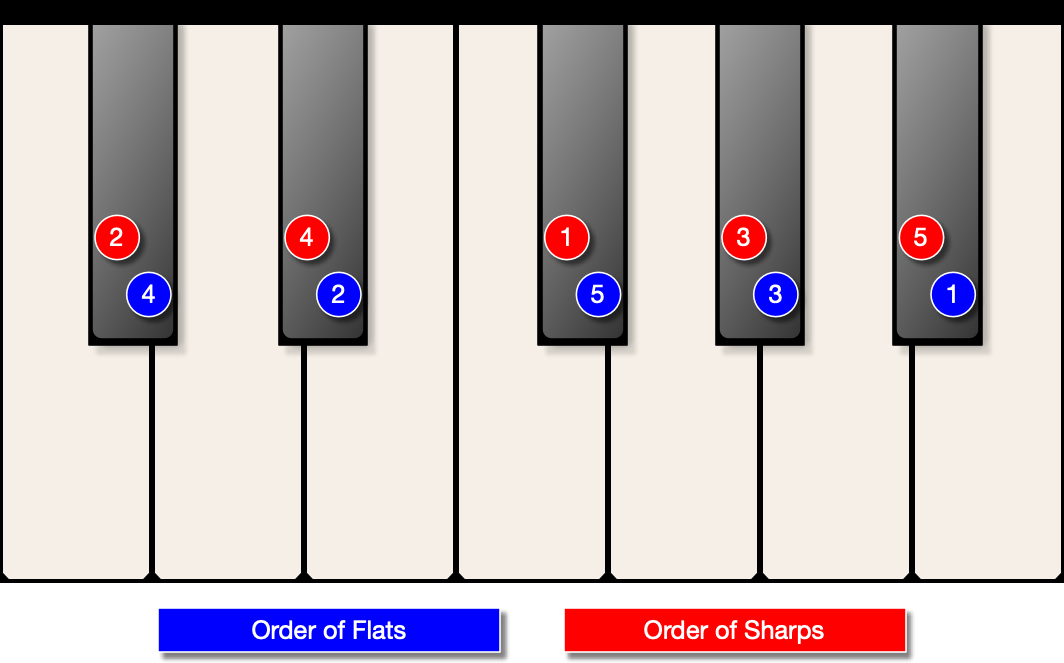
And this is (arguably) a good thing! Sure, it makes chromatic runs and clusters slightly trickier, but it makes the normal western scales easier. Because F# is the "first sharp". If you are in a key with any sharps at all then you are using the F# key instead of the F key. Having F# almost over the F makes the E-F#-G spacing similar to the E-F-G spacing. Meanwhile the same key's role as Gb is relatively rare: It's the last of the black-key flats and you have to be all the way out in Db major before it replaces the G in the scale.
With Bb its the symmetrically opposite situation: It's mostly used as Bb, rarely as A#, and you find it out over the B key.
The second sharp and second flat are also shifted over the keys they most often replace, but not by quite so much.
Only the G#/Ab key, simultaneously the third sharp and the third flat, sits exactly between the keys it replaces.
If nothing else, all of this means you don't have to mentally go through "F-C-G-D-A" or "B-E-A-D-G" when sat at the keyboard: You can see the orders of flats and sharps written in the displacement of the keys.
![]()