RIP
candela Thanks for the input, Del Vento!
You are most welcome!
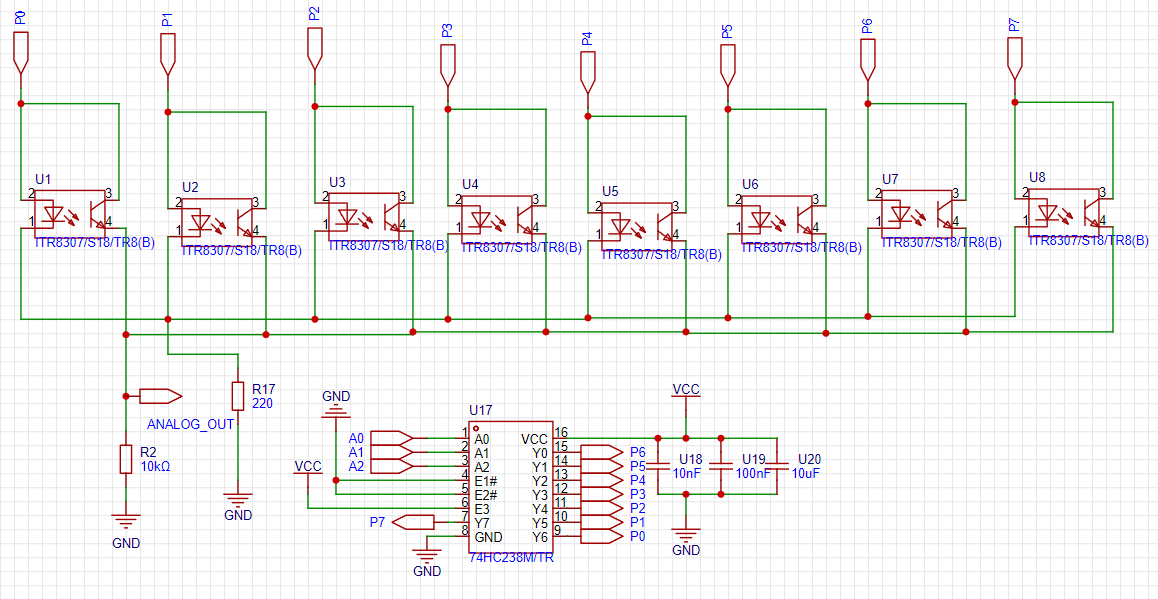
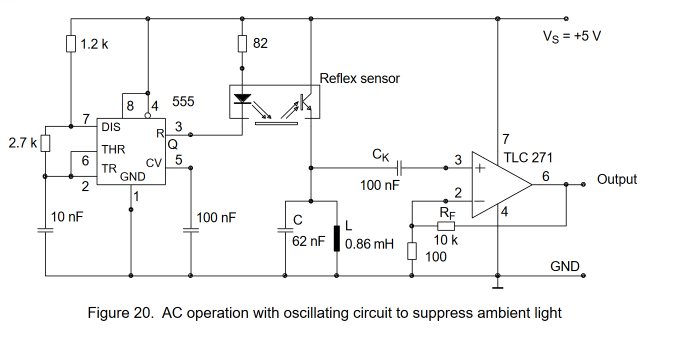
candela y reasons for choosing a slit/fork type detector over a reflective one are mainly to avoid the ADC step and not having to recalibrate when IREDs go dimmer over time, reflective surfaces get dirty etc.
Got it. For the ADC, if you are designing it yourself, I understand. Digital is certainly easier and more stable (that's why our computers, music, video, etc are basically all digital, despite years of analog head-start and occasional claim of its comeback). In fact, the project too is mostly digital, besides the initial position sensing.
For the calibration.... One of the main goals of these projects is to make that calibration automatic at startup, because it's all (mostly) multiplicative (light at key-at-rest get dimmer -> it's equally dimmer also during play). In addition a simple "play-all-keys" additional calibration can add the "closest it can get" step, probably necessary every several years only.
candela the freedom to design the action parts myself to suit the sensor type
DavisB I like this design the most frankly at the moment for it's utmost simplicity.
I'll probably be way less enthusiastic after trying to integrate them with the mechanics, but this is an approach i have to at least examine.
That's very cool. Just make sure you don't underestimate the complexity of mechanical calibration and don't overestimate its stability -- but perhaps you @candela have already done that.
candela The reason for me to do this is to build a narrow keys midi controller
Since I'm also interested in exploring narrow-keys keyboards, I'm looking forward to see your progress. Once you start building things, please post pictures and design files somewhere (a new thread here, github, whatever you want) and ping us all or at least me 🙂