Worth noting that the SC3 is supporting the “grand expression modeling” feature.
From Yamaha website :
The simulation technology that reproduces this variety of tonal changes is "Grand Expression Modeling." As a result, we have achieved expressive power that faithfully reproduces the detailed nuances envisioned by the performer. In addition to changing the strength of your finger's touch from the time you press the key until you release it, you can also change the tone depending on the speed of your touch and the depth of the key you press, so you can express the tone to suit a variety of playing styles, making it an authentic instrument. You can enjoy a unique performance.
As I understand it, this means that for a same output velocity value, you could trigger the note either with a small/shallow key press (which corresponds probably to staccato touch) or a deep press up to the keybed (legato touch ?).
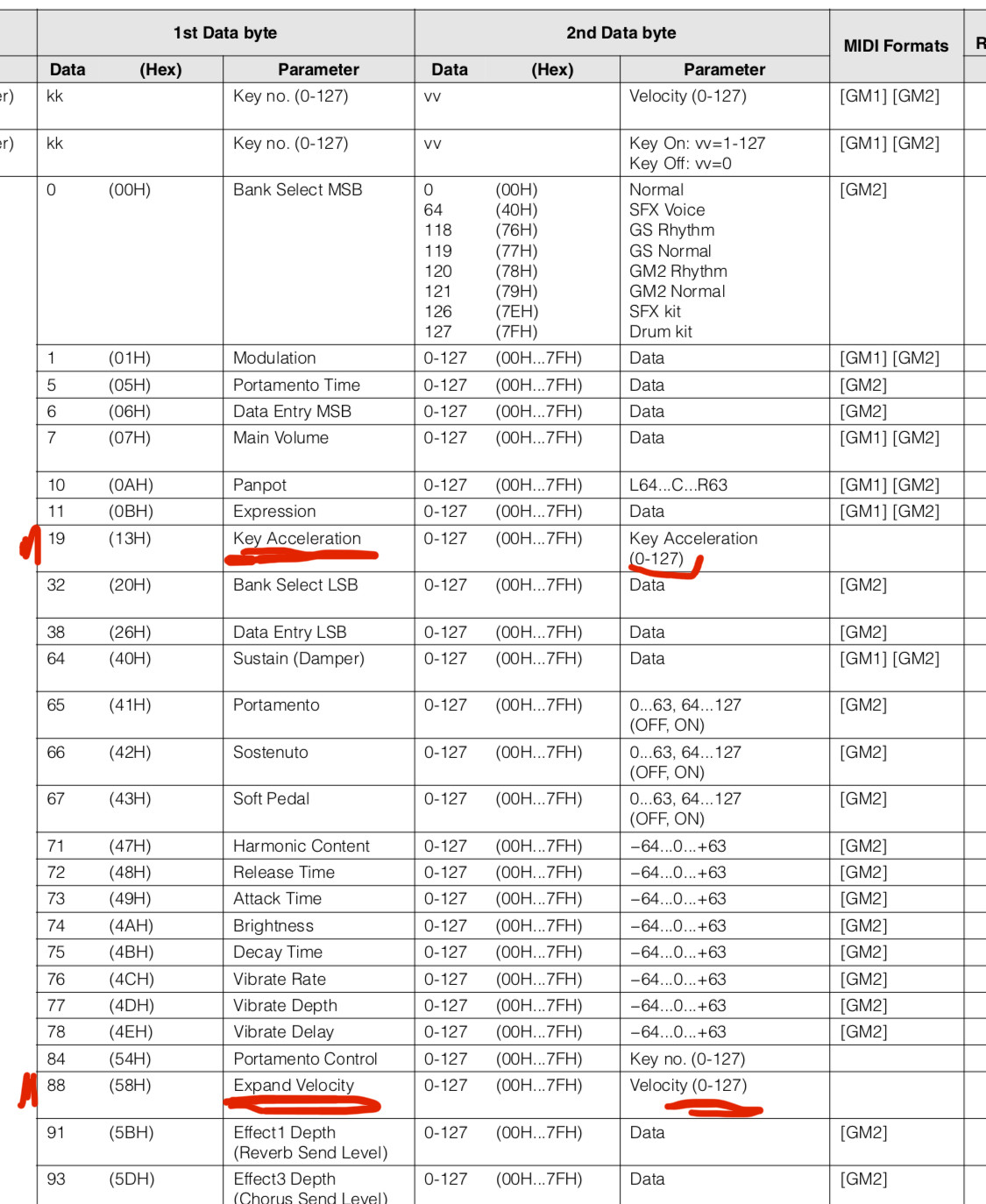
Technically, there may be a second stream of data conveyed along the regular note-on velocity data stream that is processed by the sound engine to alter the tone character.
I wonder if this additional data stream is exposed outside of the Yamaha box, in the standard midi message (maybe on a specific CC like it is for hi-res velocity). And if yes, if program like PianoTeq could take advantage of this. I don’t think so as it is non standard and proprietary format of Yamaha (which does not collaborate with Modartt, as we see no Yamaha nor Bösendorfer approved models).
Anyway, if proven to be effective, this could give Yamaha the edge over even high quality VSTs that cannot access some intricate details hidden in hardware.
I finish just by saying that I was aware of this feature before my visit to the piano store. So I specifically tried different kinds of touch (ie. staccato vs. legato) to see if I could detect a change in the sound. I confess I was not able to clearly notice this like in a A/B test. But maybe the outstanding feeling I had when playing the SC3 was simply the result of this grand expression modeling taking part in the recipe, contributing to the magic without necessarily being able to intellectualize it.