
A brand new Steinway from VSL: 1887 model D concert grand
johanibraaten
pianow that was a problem with early synchron pianos such as their cfx,
I wouldn't consider that a problem with the CFX, that one is also not sampled with the robot hand but with the built in Disklavier system. On the other hand if you think of it it's kind of a natural behavior since if you play two notes on an acoustic piano, one with pedal and one without, the note with pedal will be louder so if the volume on a VI is the same than that would be the unnatural behavior.
pc-king
johanibraaten No, if I press a note on the sustain pedal at the same speed on a real grand piano, it will also be just as loud. The sound will just be a bit fuller because the other strings are vibrating along with it. However, with the same force (same velocity value), the robot finger reaches a higher top speed because the damper doesn't have to be lifted and the key moves more smoothly. This seems to have finally been taken into account. In the editor, set one note at vel. 15 without the pedal and one at vel. 15 with the pedal in Synchron Steinway. The sound in the pedal will be much louder. The result isn't realistic, because I pressed both keys at the same speed while playing.
johanibraaten
pc-king No, if I press a note on the sustain pedal at the same speed on a real grand piano, it will also be just as loud.
Yes but you need more force to achieve the same speed with no pedal in an action with a damper mechanism. It might be a problem in VSL 274 though, I don't know. I can also see it being a problem when rendering midi files.
pc-king
johanibraaten A professional pianist can intuitively play two notes of equal volume, one with the pedal and one without. He automatically reduce the force slightly with the pedal, achieving the same top speed. The velocity value must represent the top speed of the key or hammer, not the force. F = ma
johanibraaten
pc-king A professional pianist can intuitively play two notes of equal volume, one with the pedal and one without. He automatically reduce the force slightly with the pedal, achieving the same top speed. The velocity value must represent the top speed of the key or hammer, not the force.
That's what I mean, if you're used to an acoustic piano you automatically reduces the force when play with pedal if equal volume is desired. So to mimic that behavior on a DP it should be made so you need less force to reach a certain volume when you press the pedal. It could be a problem though in situations described by @Johnstaf if you have different samples for pedal upp and down, if you play a note without a pedal and then hold it and press the pedal then the note might have an unnatural rise in volume. This is a problem in the first generation Avantgrands.
pc-king
johanibraaten No, because with the N1, for example, I don't have any influence from the pedal. I play with the same force on the pedal, and of course, I don't want it to be any louder.
pc-king
In other words, if the velocity values are the same, it's because I pressed the keys at the same speed, meaning with less force on the pedal (on a real grand piano) or with the same force (on a digital piano). So, with a virtual instrument, I expect these notes to be the same volume either way.
Pete14
Interesting, but it still seems a bit much, and for some perspective, VI-Labs is nowhere near 60 layers (never mind 100), yet some people swear by that MD, so it begs the question, should VSL spend more time on programming/modeling and less on recording a bunch of samples?
Hint: a little sampling + modeling goes a long way, is less taxing on resources, and some might argue that it allows for more realistic resonances….IMHO!
CyberGene
Pressing a key on any piano is not exactly equivalent to fixed “force” because movement is involved, as well as tactile feedback from the inertia and static weight and what we intuitively try to achieve is a target key acceleration, instead of target force. Thus, on an acoustic piano, when you press the damper pedal, the keys become lighter and easier to accelerate and you can intuitively press them with a lighter force to accelerate them with the desired acceleration (rather than desired terminal velocity, because often you might not even press all the way down, only keep the momentum do the rest).
However, in the world of MIDI controllers where you have no dampers and no varying key weight, you will always press with the same target acceleration and if the underlying samples have different audio volume, that’s a problem. The Novus is a special case and I think no current virtual piano would make up for the fact it has varying key weight. Ideally, there would be a parameter which, when enabled, will produce slightly louder sounds when damper pedal is pressed.
pc-king
Pete14 Hmm, you can easily distinguish between the different recordings by setting the gain response to maximum everywhere (0-127). I think, it's never 60. More like 10. Even less in the higher registers.
Pete14
CyberGene Ideally, there would be a parameter which, when enabled, will produce slightly louder sounds when damper pedal is pressed.
I swear that sometimes it “feels” like Yamaha is doing something to this extent, but I can’t say for sure…..
pc-king
The problem of too loud notes in the pedal also occurs with the Synchron CFX, which was recorded with the internal playing system. Apparently, the Yamaha people forgot about it, too. That's what happens when professional pianists aren't involved in the recording process. (Sorry, Mendl...)
johanibraaten
CyberGene However, in the world of MIDI controllers where you have no dampers and no varying key weight, you will always press with the same target acceleration and if the underlying samples have different audio volume, that’s a problem.
If the difference is big I agree it's a problem but a slight difference might perhaps feel natural for someone that plays most of the time on acoustics.
pc-king No, because with the N1, for example, I don't have any influence from the pedal. I play with the same force on the pedal, and of course, I don't want it to be any louder.
This is of course subjective but I think this is a reason why the pedal samples on the N1 are louder than the ones without (I have the N1 too). Try to play this chord with the internal sound on the N1 with no pedal and then hold it while you press the pedal.
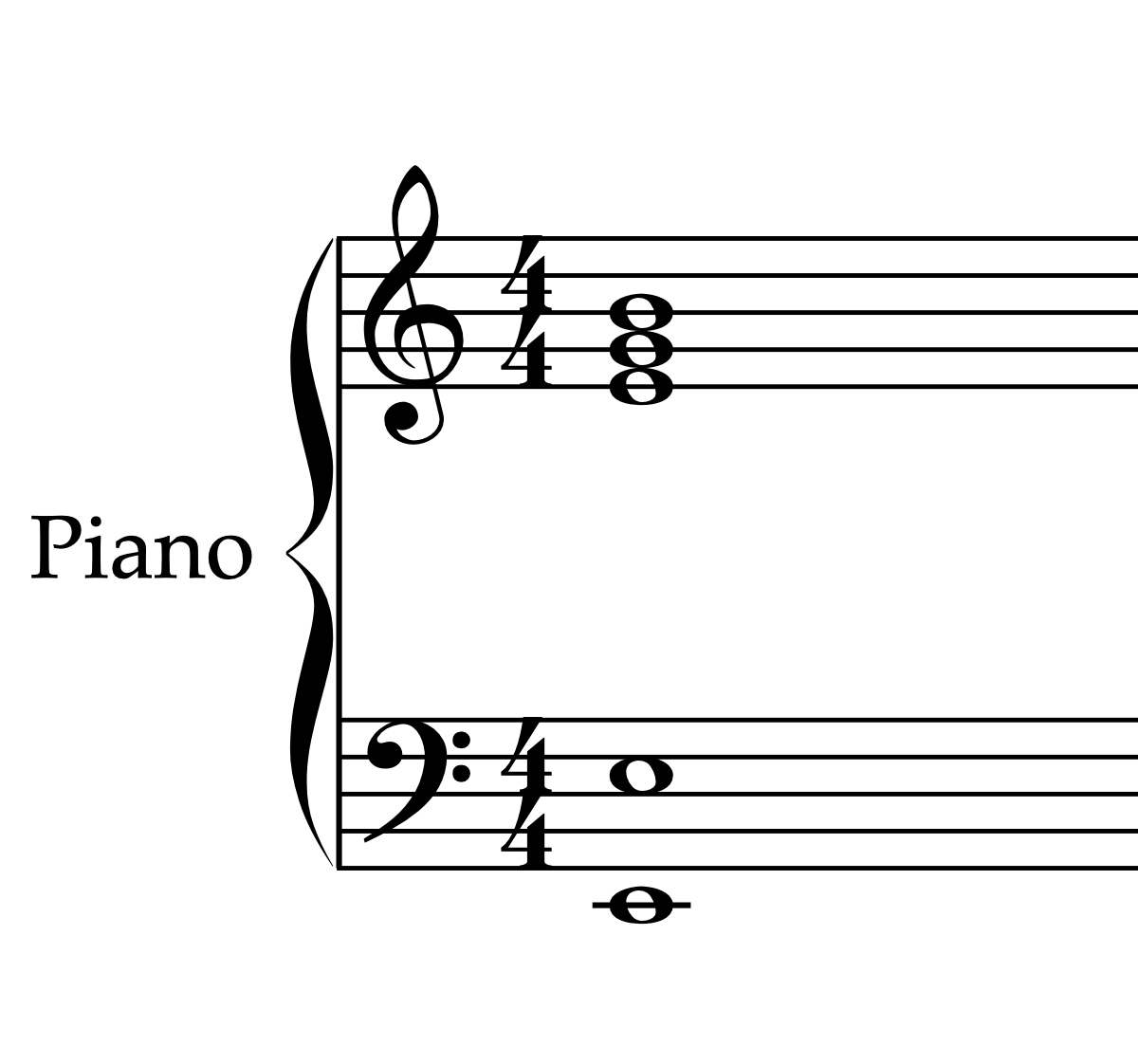
pc-king
johanibraaten I've known about it since around 2012. That's exactly why I started looking for VI back then.
johanibraaten
pc-king Ok, I misunderstood you. I thought your "no" meant that you didn't feel that this was an issue with first gen. Avantgrands. Anyway, since there is objectively a physical difference between keyboards with damper mechanism and those without I guess it's subjective how one want the sound engine compensate for that.
Johnstaf
We humans are funny creatures with the way we adapt to things. The first time I played a grand I was startled by the difference in feel when using the sustain pedal. Now it doesn't even register.
pianow
Pete14 VI-Labs is nowhere near 60 layers (never mind 100)
for some time i thought they're doing that big numbers for marketing reasons but nowhere in the vsl's website you can find the number of samples per keys, they just do it cause it seems right to them, that's the reason why they've invented a robot hand to make multi layer sampling easier for them. and vilabs also has changed their methods about the number of layers, their ravenscroft had like 20 layers and it's dynamically limited and narrow, so they decided to record more layers for the md and it has over 30 (maybe even more then 35 layers), i say both approaches are equally valid, considering they both have great playability and sound 🙂
Pete14 so it begs the question, should VSL spend more time on programming/modeling and less on recording a bunch of samples?
i don't think they need to do less sampling to be able to do more programming, it's obviously what they want their product to be, and of course i wound be happy if they decide to use modeling for some of their shortcomings such as resonances and pedaling, but still those things aren't like top top priority, but again a resonance engine on vsl pianos like the one pianoteq has is a potential game changer. specially now that they finally have una corda samples, the resonance engine (which also fixes the pedaling bugs) is the final piece of the puzzle.
Pete14 Hint: a little sampling + modeling goes a long way, is less taxing on resources, and some might argue that it allows for more realistic resonances….IMHO!
i agree, perhaps one day…
pianow
pc-king More like 10
tf?
pc-king
pianow what does tf mean?