RIP
PASHKULI So, seems you have played it on my design and could not find "your way" talking from first hand experience. Sigh.
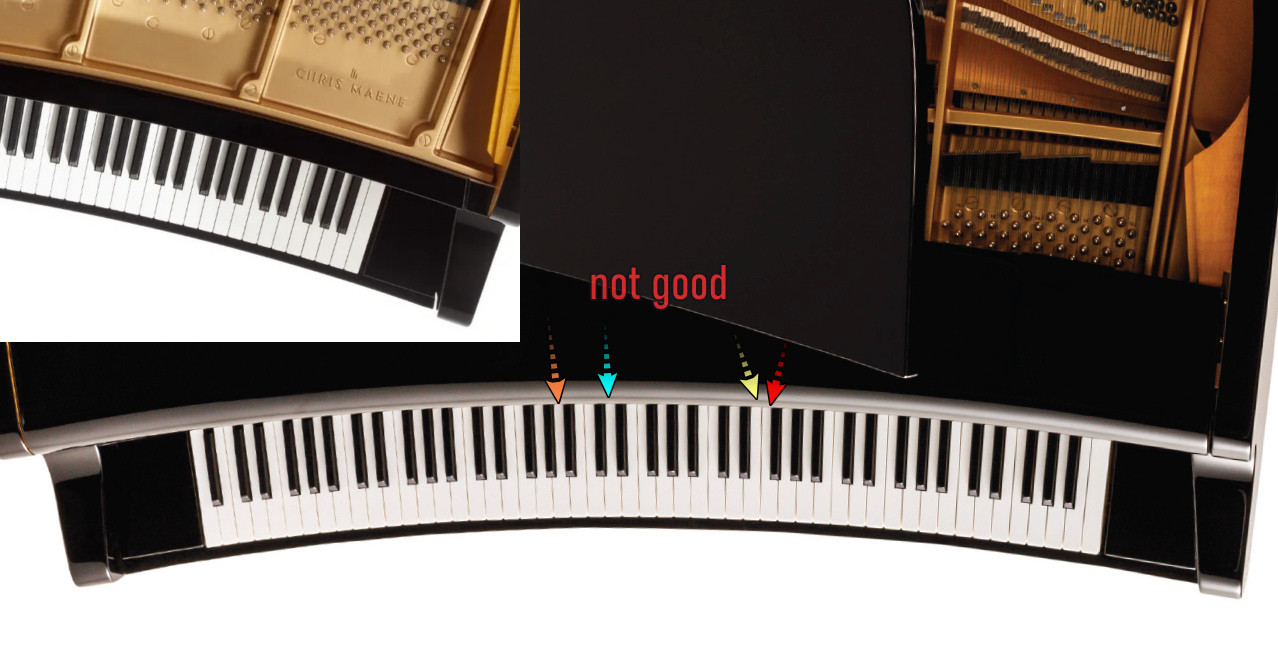
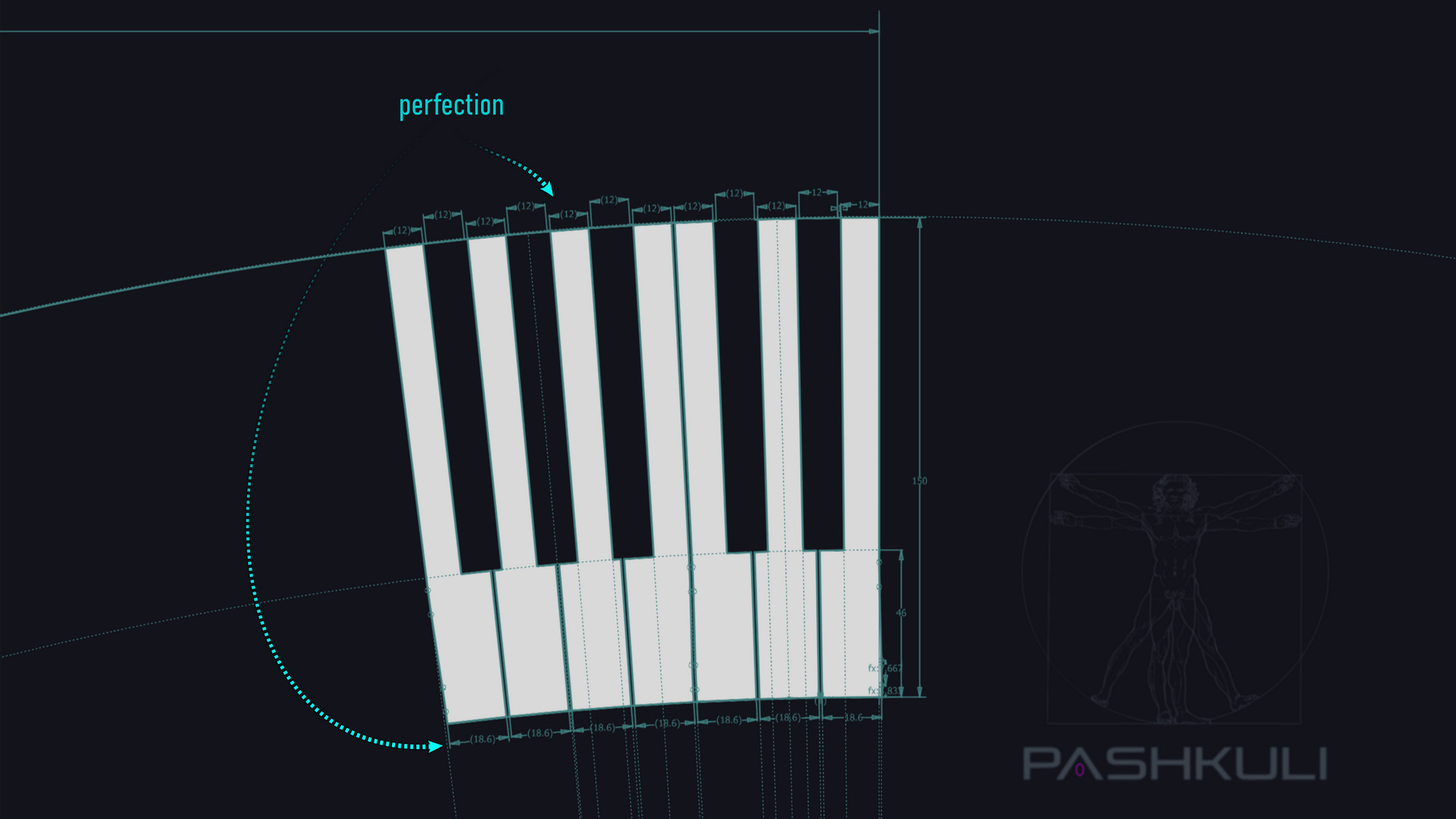
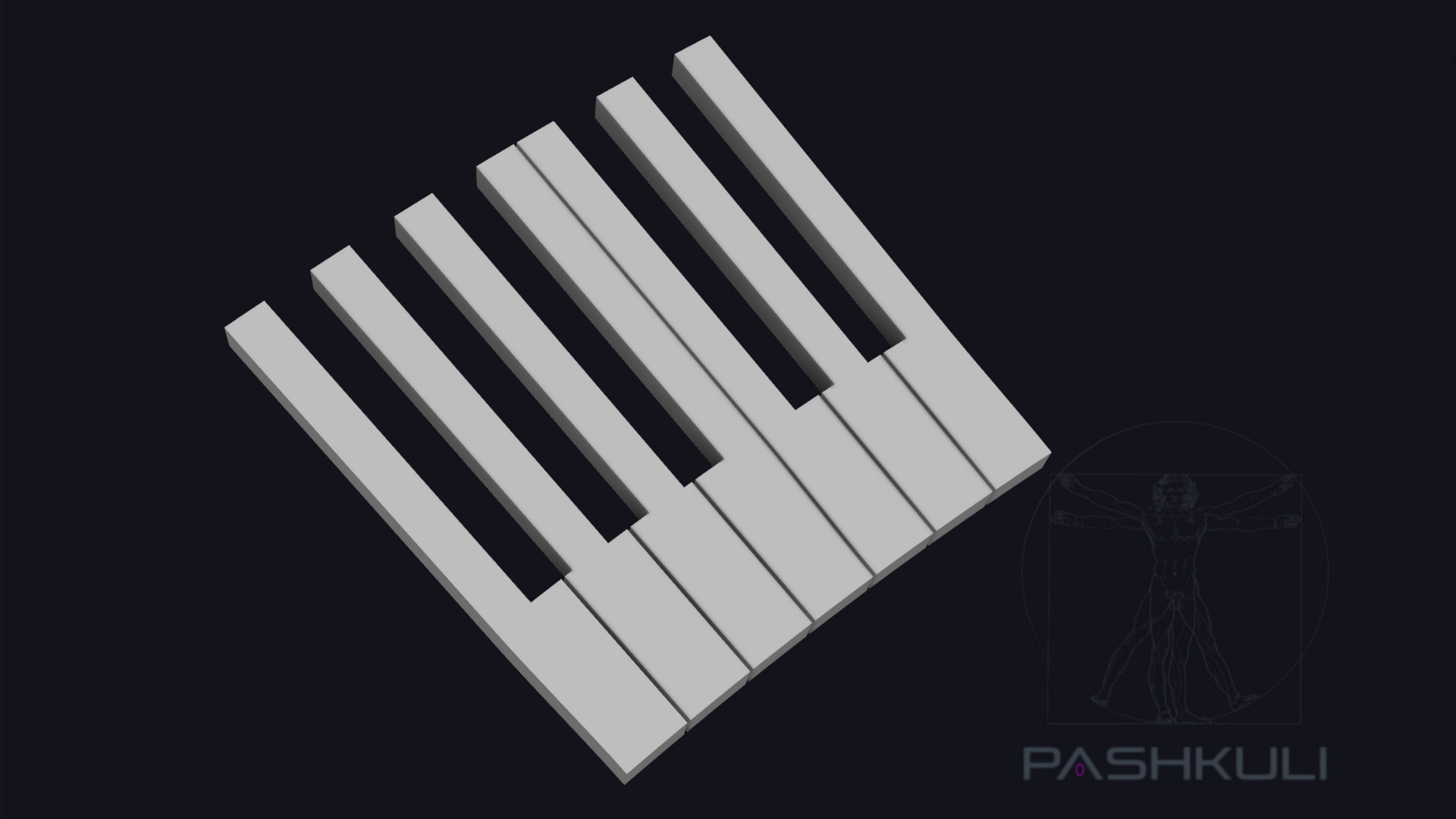
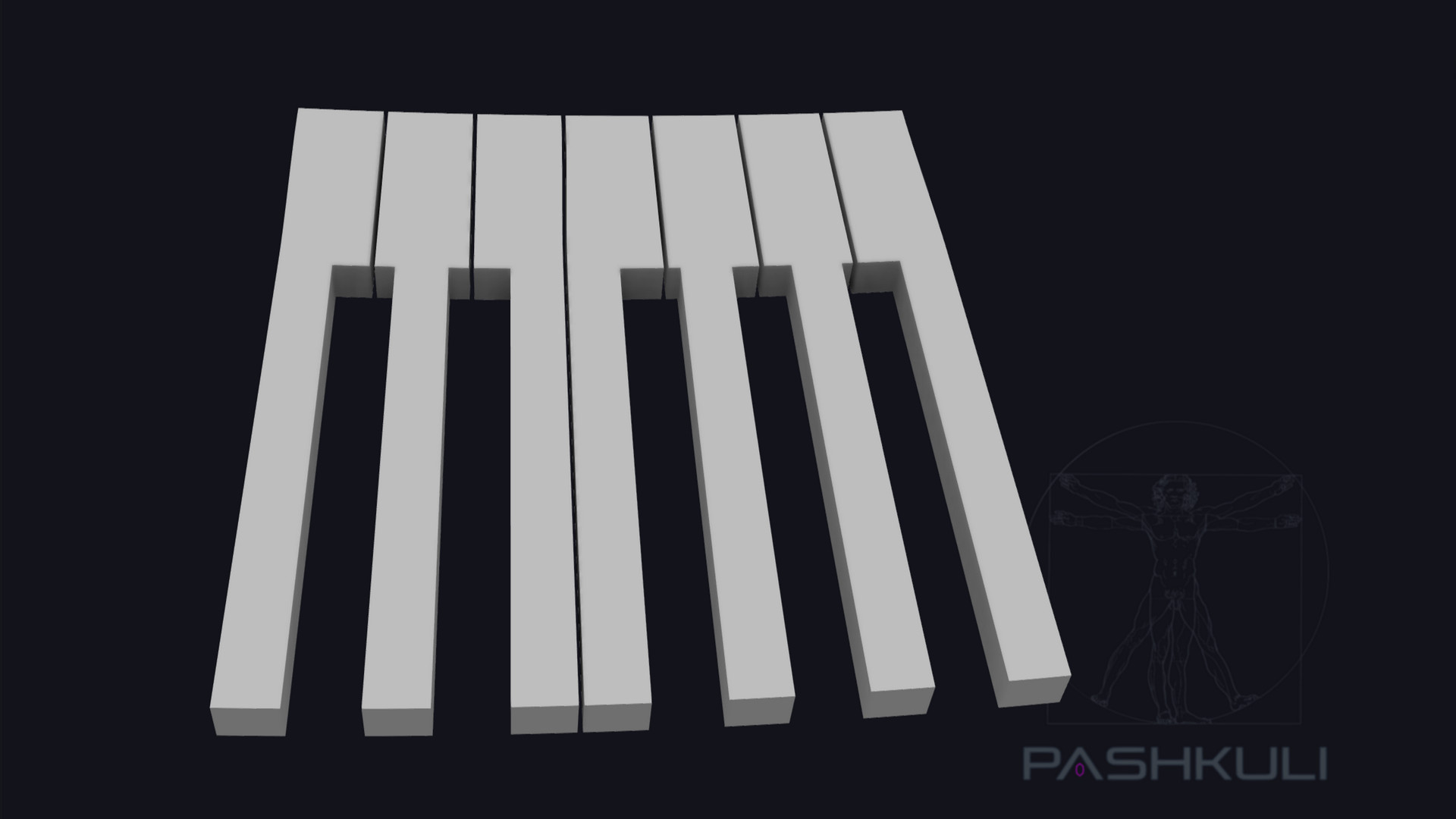
To me it is obstructing having to wriggle your fingers between the 'black' keys. Fingers should have access. If you can't play without "support" maybe you should… practice more till you can't get it wrong.
Okay, so in the end we are understanding each other, yeah!!!
I played in the way you described and became attracted by Janko and your design which I found on some other forums back in the day. So I understand what you are talking about because that was myself, until 3 years ago and for several decades before. I never reached any fluent way to play the piano that way, and I can now confidently say that it's true for the vast majority of players who approach the piano that way.
Why? A variety of factors, but one particular that is relevant in this conversation! What you call "obstructing" it is the very heart and soul of fluent piano playing, which I started to do when I met my current teacher. Starting at that time, I learned to love the piano layout exactly in the way it is (besides being slightly too wide) and what it enables: knowing perfectly where my hands are exactly at all times. In fact, I can fluently switch between regular acoustic piano keys and Korg microKEY synth without any problem: I always know what I am doing, without need to practice anything (in fact I improvise at all the time, don't play pre-decided pieces).
Practicing until you can't get it wrong is the worse one can do, relying 100% of "muscle memory" and its mindless approach which leads nowhere: pieces are forgotten easily; mistakes creeps in at all time; you can't improvise; the minimal distraction or difference forces you to stop; trimming your fingernails makes you forget the piece you knew till few minutes before (!!!!); playing a piano slightly heavier or lighter than the one you practiced on it's incredibly hard; and more problems. Ask me how I know: I did it for decades.
Hence, no thank you, you are not solving "the obstructing" that pianists have, you are removing what they need to keep the love of their instrument strong!
To be even more clear, you wrote:
PASHKULI having to wriggle your fingers between the 'black' keys. Fingers should have access.
Unless you have a hand disability, these movements are totally natural and innate in the normal dexterity of the hand.
Now that I think harder about it, your idea could be fantastic in simplifying piano playing for people with disabilities who have mechanical issue in their fingers, or control disease which limits what movements their fingers can make. So I strongly suggest that you try to reach to that demographic, and not the one of even marginally accomplished pianists like the ones who can find here.
PASHKULI Which reminds me… I can try and flip the data cable form the keys' velocity sensor to the PCB inside one of the prototypes, but am mostly shure the go only one way in into the pins. I
You can do that in software with zero effort. For example you may use Python and mido -- that would take you probably 30 minutes including the most difficult part which is making sure you install it correctly (see this bug to save you some grief)