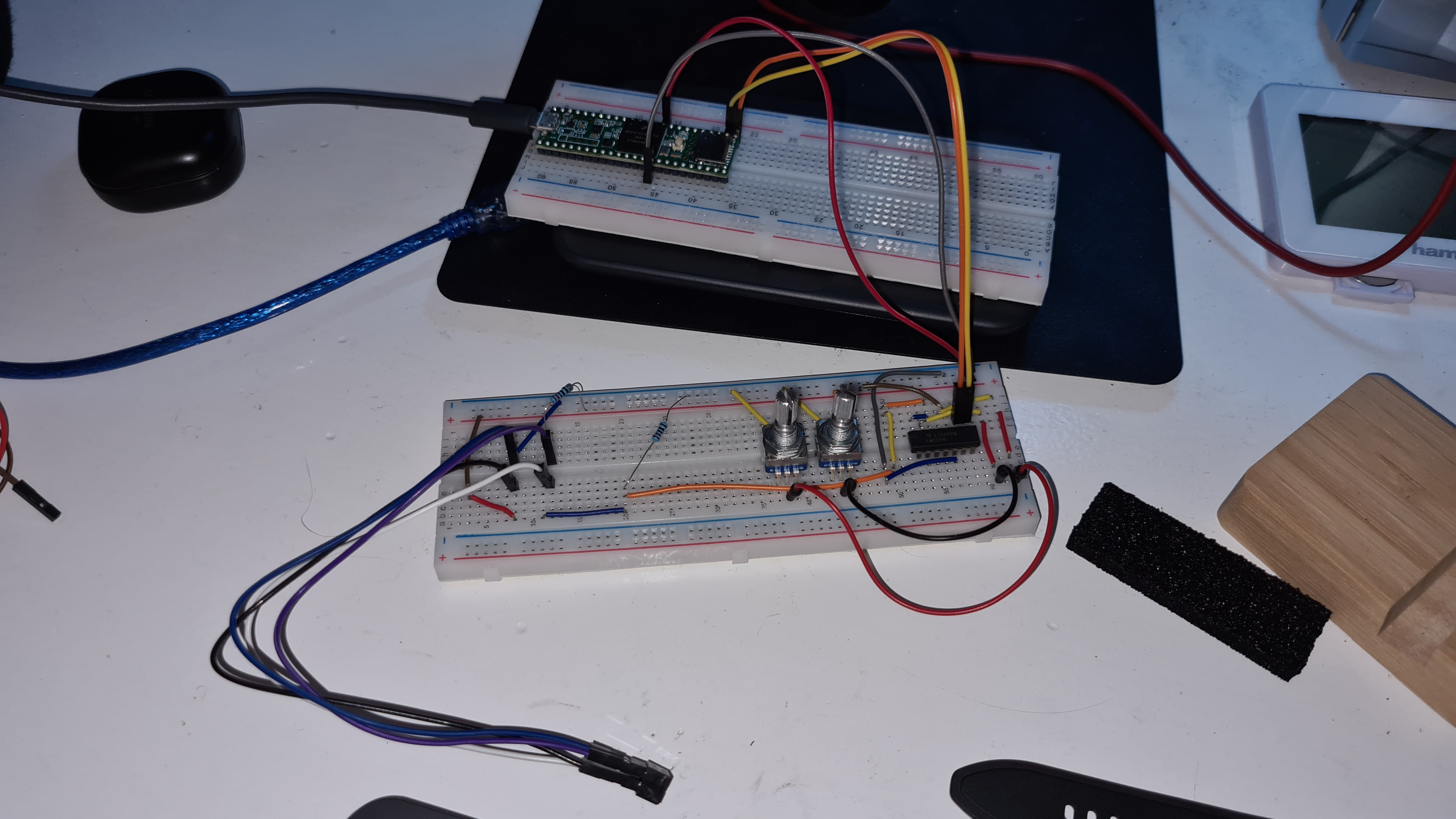
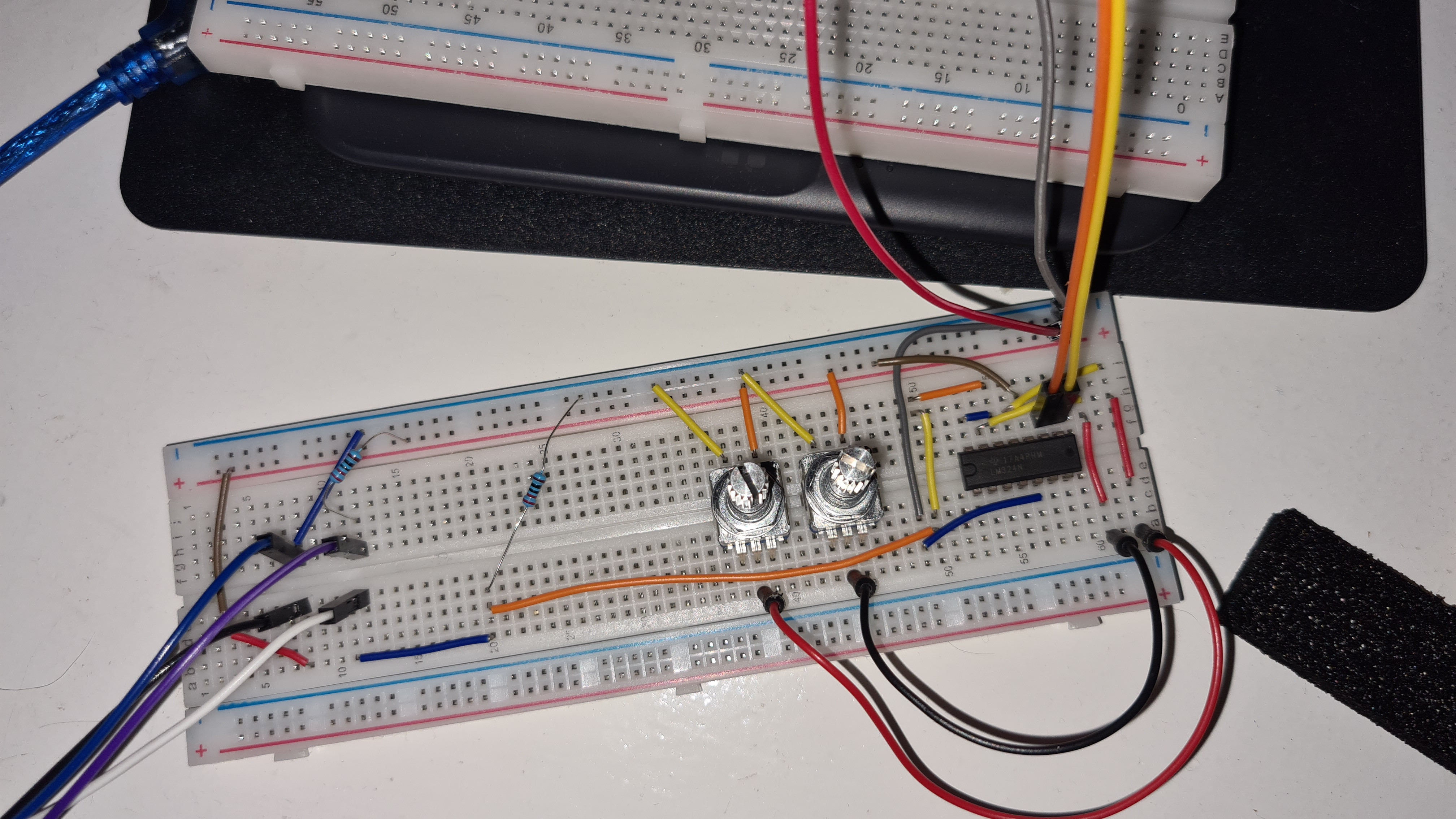
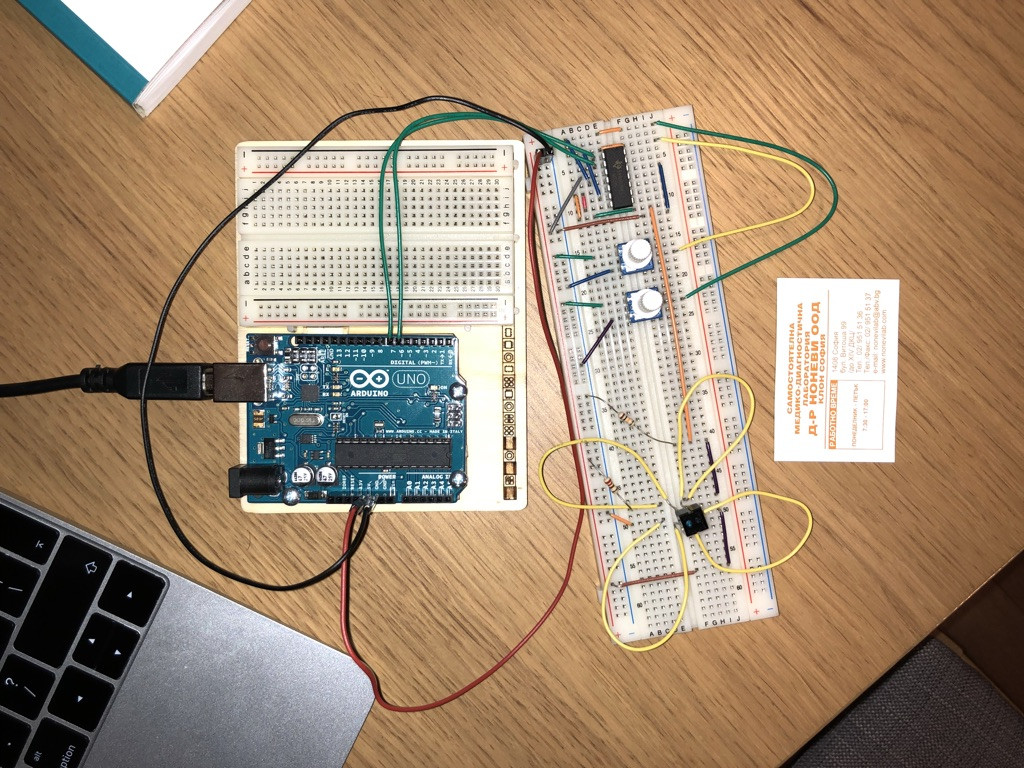
RIP I've been thinking it over, and I think the best way for me to do this is to use one CNY70 sensor under each key. Cince I don't need to send a 'note-off' signal, the most realistic method is to let this one sensor capture the moment when the key is, lets say 1cm, above the bottom of the shaft (above hitting the bell) and then capture the moment when the key is ca. 0cm from the bottom of the shaft (and thus on the point of hitting the bell). Then calculate the time between this two points for the velocity, while sending a note-on signal when the key is at 0cm (hitting point).
So in short, use the method of CyberGene, with only two points of measurement, which will simplify the physical structure and also the code.
To be clear:
- Key is being pressed.
- Key passed first point (1cm from bottom): set time of first point.
- Key hits bottom(at 0cm): set time of second point.
- Calculate time between first and second point -> velocity.
- Send note-on with velocity to computer software.
I think this will give the most realistic result, because many times, the carillonneur will leave his hand on a key (leaving it in the middle) before pressing the key again, but mostly at a different speed as the time before. Also, when he makes a tremolo, he leaves the key just a tiny bit (thats why I said 1cm but it can be less) above the bottom of the shaft and pressing the key quickly a few times. So between each note he lifts the key maybe 1 or 2 cm when he plays a tremolo. And with different velocity of course.
Curious what you think about this.
And why JayKominek should I stay away from potentiometers? I don't see the point that it will use many ADC channels. As I see it, @CyberGene did also use potentiometers, but used just one ADC channel per key… Cince I have but 52 keys, this won't be a problem…
As I said, I would love to hear what you think about this.