Skip to content

Studiologic Numa X Piano 73 Review

CyberGene

kawafanboi I haven't tested the TP-110 for fast repetitions, will do that some day. I think it's pretty fast though but until I test it can't say for sure.

As to RHC, yes I've played the ES110, it's in the same ballpark IMO. Haven't tested them side by side but I believe the Kawai is lighter feeling than TP110 though.


CyberGene

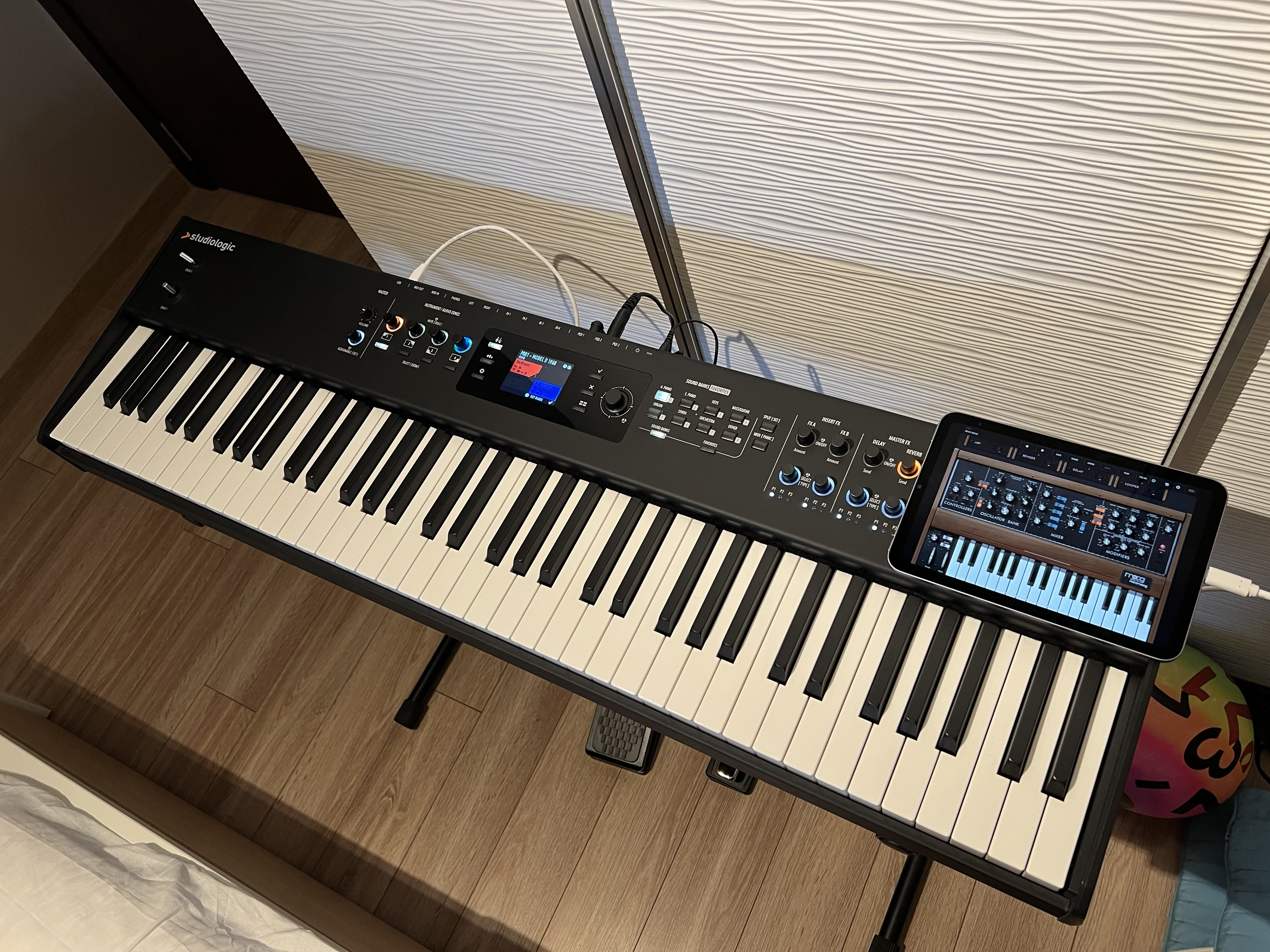
And here's another heads-up, I recently purchased an iPad Mini 6 which works great with the Numa X Piano 73, and not only fits on the rightmost side of the piano but also seems to have some magnet inside that would make it stick to the metal panel of the Numa and prevents slip, I am very happy.


And just to repeat something that someone may have missed. The Numa X Piano has an embedded audio interface, so I connect it to the iPad with a single USB-B to USB-C cable (yeah, the iPad is now with a USB-C connector and doesn't need the camera adapter anymore) and both MIDI and audio work automatically, no need to configure anything, synth apps receive MIDI and their audio is routed back to the Numa.

BTW, I remember reading some BS on PW about how Kawai cannot put audio interfaces in their pianos because unlike Yamaha they don't own Steinberg, how they have to hire someone to write drivers and blah-blah-blah... Well, here you have a small Italian company selling budget pianos with an embedded audio interface and with class-compliant USB audio. So, Kawai, come again šŸ˜‰


dore_m

Do you have the knobs mapped to the Moog filters and such?


CyberGene

dore_m well, not yet, just started experimenting with this combination. So far I’ve been using my MacBook with the Numa when practicing with the ā€œbandā€ but I think I can downsize even further which is why I purchased the iPad Mini 6. The other reason is Apple just released Logic Pro for iPad which I downloaded 10 minutes ago and I will see how easy it would be to switch from Logic Pro on the Mac to the iPad.

As to MIDI mappings I believe that’s supported by the Moog app but I will have to test it to confirm.


David B

CyberGene and also added per-key velocity calibration (@David B that could have solved your issues with the GT).

That's kind of a bummer because I would have kept it if I could have corrected the few keys where the midi output was off. The action felt similar to the PHA50 and I was really buying it for the action and as a midi controller. I also liked the look of it with the wooden sides. Also, it was a couple hundred bucks cheaper than the FP90X and it felt solidly built.

God bless,
David


CyberGene

I installed the update and I can't really comment on the new features, such as e.g. improved electric piano modeling, because the e-pianos were already excellent enough for me and is what I love most about the Numa X; or the per-key touch calibration because I haven't noticed any irregularities on mine, however I can confirm they fixed something I reported to them previously: inconsistent behavior with the Roland DP-10 half-pedal when used in continuous mode. Previously the pedal would work as a half-pedal but different settings were required for acoustic pianos (Continuous A mode) and electric pianos (Continuous B mode). And that would make it unusable if you didn't want to switch between A and B anytime you switch sounds. Glad to confirm now you can use the Continuous A mode both for acoustic and electric pianos.


David B

CyberGene inconsistent behavior with the Roland DP-10 half-pedal when used in continuous mode.

I'm glad they fixed that because the pedal unit that came with the Numa X GT felt terrible. It felt like it was gear operated (mushy feeling), and loud. The Roland DP10 is just the opposite. Light, quiet, and smooth.

God Bless,
David


CyberGene

David B The Roland DP10 is just the opposite. Light, quite, and smooth.

It’s also my favorite pedal for gigging because of the rubber piece you step on and which keeps it from sliding all over the floor. I bought it only for this but it also turned out a great feeling pedal too. BTW, Fatar/Studioligic are not known for good pedals and if I’m not mistaken the VPC1 pedals are made by Fatar and are what is often criticized as a weak point.


HZPiano

David B pedal unit that came with the Numa X GT felt terrible. It felt like it was gear operated (mushy feeling), and loud.

CyberGene if I’m not mistaken the VPC1 pedals are made by Fatar

Indeed, the VPC1's pedal unit is from Fatar and how David describes the experience, that indeed is how the VPC's pedals feel too… not pleasant at all.

When the GT came out and I saw the pedal unit I already had an Uh-Oh feeling…

Cheers and happy playing,

HZ

PS Yes, the DP-10 does its job well.


PabloPeterson

CyberGene hello, could you please explain how do you record directly to your phone? Thank you


CyberGene

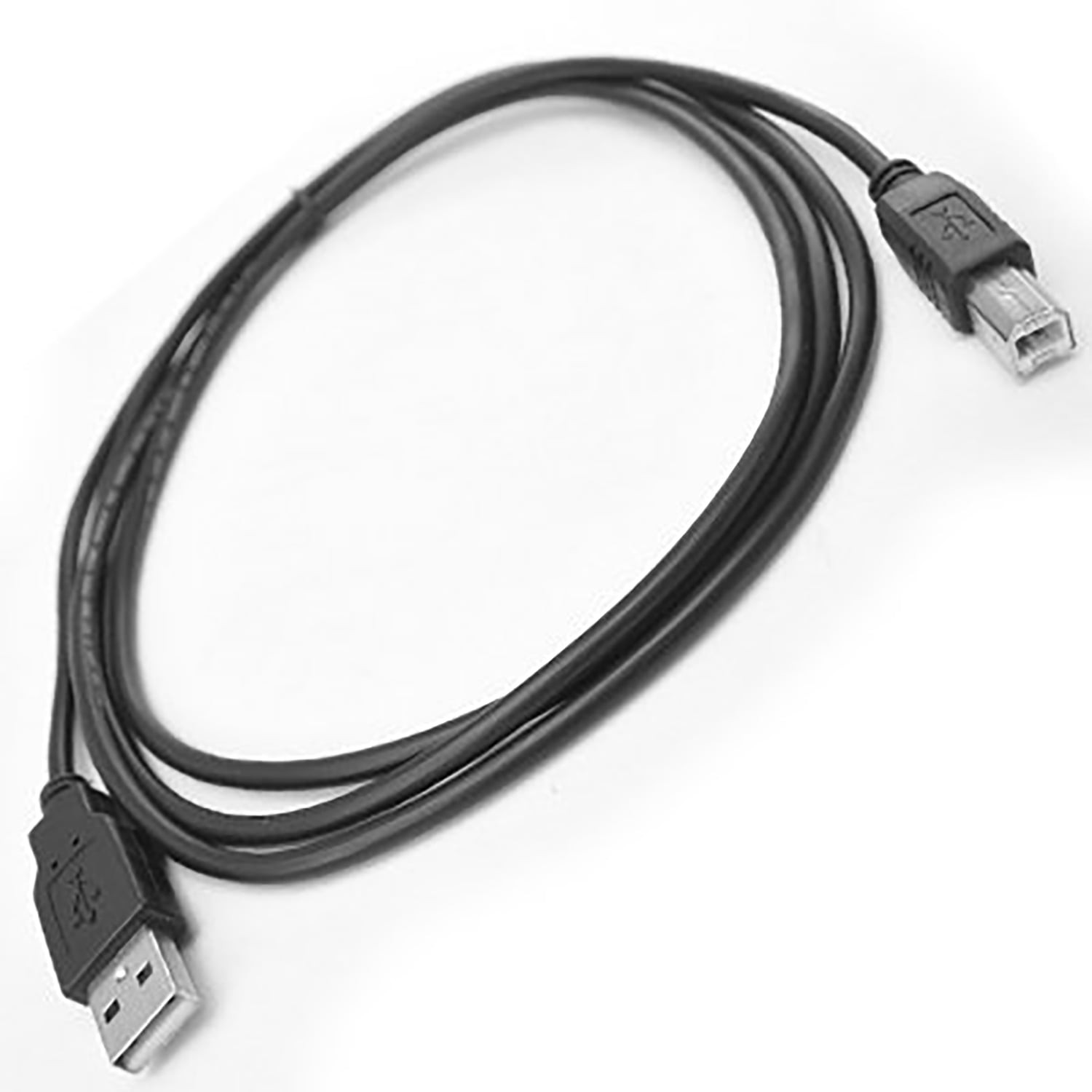
PabloPeterson on pianos with class-compliant USB audio interface such as the Numa (and Yamaha) you have to use the so called ā€œprinter cableā€ which has USB-B on one end and USB-A on the other:

Then I use the Lightning to USB 3 adapter which adapts the USB-A end of the above cable to Lightning for my iPhone:
https://www.apple.com/shop/product/MK0W2AM/A/lightning-to-usb-3-camera-adapter

Once connected, I open the Camera app and make a video. The audio will not be from the microphone but from the digital interface instead.

Note that with the latest iPhones and iPads with USB-C connectors, you don’t need the adapter. You can only use a single USB-B to USB-C cable. I purchased this one that I use with my iPad Mini 6:
https://www.thomann.de/intl/pro_snake_usb_typ_c_b_cable_2m.htm

How (and if) that works on Android devices I don’t know, someone else should confirm.


Koobenot

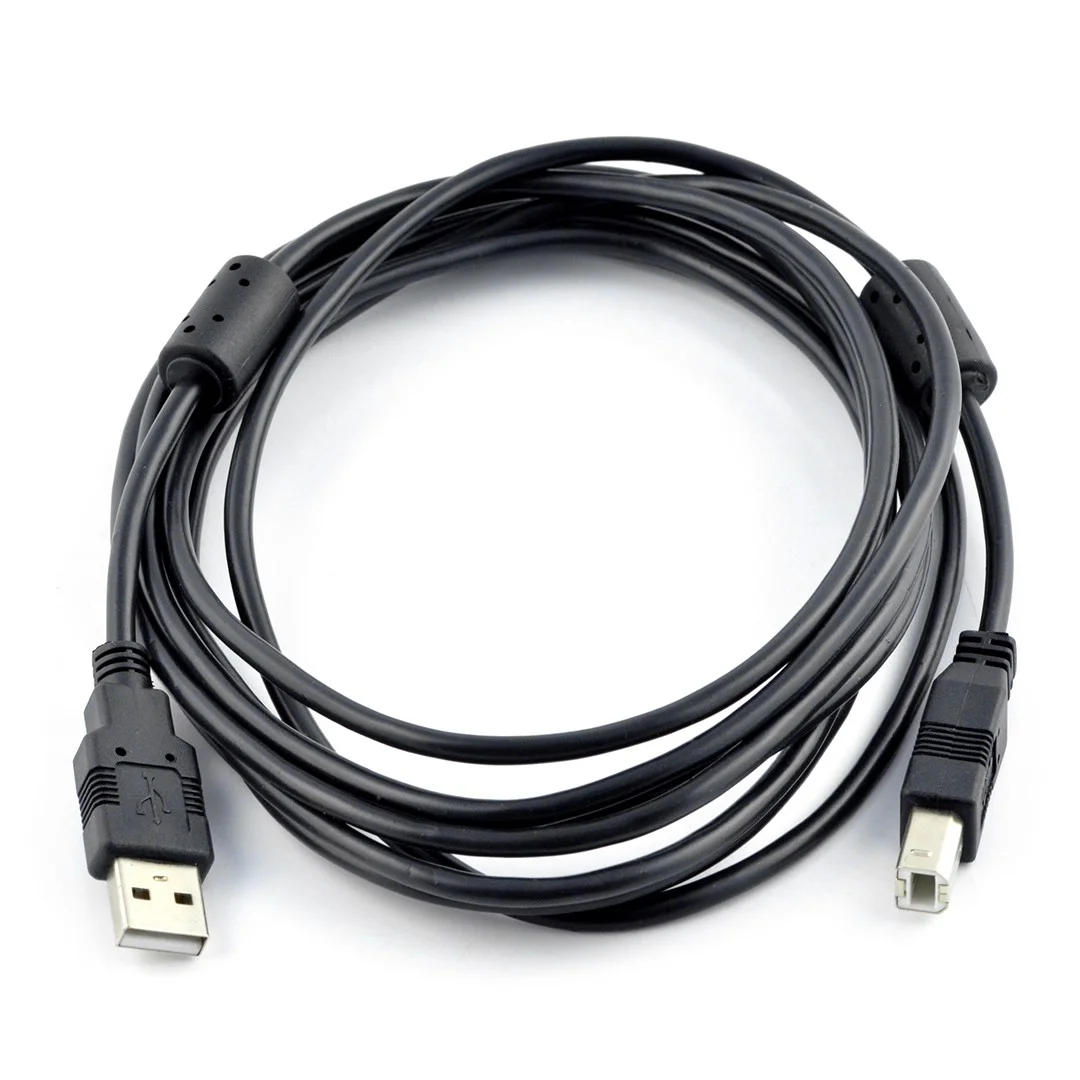
Keep in mind, that "printer-cable" with filters on both sides might deliver less noise in the recorded audio signal. Decided to do a test, where I'd record 10 seconds of "silence" from my Numa with regular "printer-cable" and then the one with the filters. Afterwards, I've put a limiter on the signal with +60dB gain (yes, you've read it, 60dB!) in order to check what's the spectrum of the noise. The recording with the filterred cable got less noise with less overtones in the lows spectrum of the noise itself. That's how the cable looks like and is also often used for printer devices:


CyberGene

Koobenot Sorry, due to this I had to restore the forum from a backup that's two-hour old and we lost the last two replies (mine, regarding the ground-loop suggestion) and your next reply... apologies.


SouthPark

Koobenot Keep in mind, that "printer-cable" with filters on both sides might deliver less noise in the recorded audio signal. Decided to do a test, where I'd record 10 seconds of "silence" from my Numa with regular "printer-cable" and then the one with the filters.

USB audio for the printer cable sends digital data that needs to be treated/processed at the receiving side to get it into analog form for us to listen to. If the cable is satisfactory in quality, and the specifications are fine for the usb rate, then the audio qualities - on the same computer - should be just fine.


CyberGene

SouthPark I also posted something around these lines but due to the problem I had to restore the forum and that post was lost and I was busy with restoring the files back.

Indeed, the USB-audio signal should not be affected by any interference since it's a digitally encoded signal.

However, now that I think more of it, it's possible that there's some analog to digital conversion happening on the piano (e.g. the audio input) which might get some interference and noise that gets digitized and sent through the USB-audio line. I believe @Koobenot has a Numa Compact 2x and not a Numa Piano and they may be different in that regard. On the Numa Piano the audio input has a noise gate, so it won't introduce audio noise below a certain threshold in the audio path (and then in the USB-audio line).


_sem_

Indeed, the USB-audio signal should not be affected by any interference since it's a digitally encoded signal.

Digital signals are also affected by interference, however the interference doesn't get noticed until it becomes excessive. Sometimes it is excessive intermittently, which we often experience on phone lines. A ground loop issue due to DP connection might show up on the digital audio interface feeding the amp.

I'd like to ask a couple of things about Numa X Piano non-GT…

  • What is the static downweight (how many grams needed to push the key down - I understand the predecessor TP100 was kind of heavy despite the relatively light hammers)?
  • Is pedalling continuous with e-pianos (the FP90 does e-pianos with on-off pedalling)?

« Previous Page Next Page »